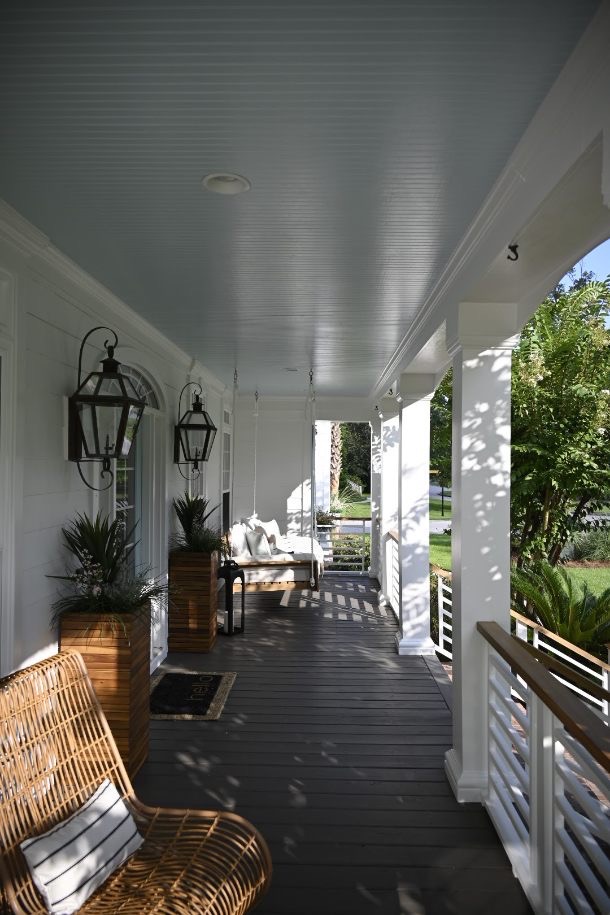
Mastering the Art of Exterior Painting: Tips from Luck Painting Experts Dec 04, 2025
Before you embark on your exterior painting journey, the first step is preparation. Proper preparation is the foundation of a successful paint job. Begin by thoroughly cleaning the surfaces to be painted. Dirt, grime, and mildew can prevent the paint from adhering properly, leading to issues down the line. Power washing is an effective way to clean large surfaces quickly. If power washing isn’t feasible, a good scrub with a stiff-bristled brush and a diluted bleach solution will do the trick.
Once your surfaces are clean, inspect them for any signs of damage. Cracks, peeling paint, and rot must be addressed before painting. Scraping away old paint and sanding rough edges is crucial for creating a smooth surface. Remember, the quality of your paint job heavily depends on how well you prepare. Use wood filler or exterior-grade sealant to repair any holes or cracks, and allow time for these materials to dry completely before proceeding to the next step.
Selecting the right paint is another critical aspect of exterior painting. The type of paint you choose should complement the material of your exterior walls, such as wood, stucco, or brick. Latex paints are highly recommended for exteriors due to their durability and ease of application. They expand and contract with the siding which helps resist cracking. Furthermore, a high-quality primer is non-negotiable. It ensures the longevity of your paint and enhances color vibrancy, particularly when transitioning from a darker to a lighter color.
Timing your painting project can significantly affect the outcome. Ideally, choose a day with mild temperatures and low humidity to ensure the paint cures correctly. Painting in direct sunlight or extreme temperatures can cause the paint to dry too quickly, leading to cracking and blistering. Keep an eye on the weather forecast and aim to complete painting projects during a period of stable weather.
Application techniques can make or break your project. While brushes and rollers are popular tools for residential painting, consider incorporating a paint sprayer for more even coverage, particularly on textured surfaces. When using a sprayer, maintain a consistent distance from the wall to avoid uneven application. Alternatively, if rolling, work from top to bottom to manage drips better.
Finally, remember that quality materials and methods translate directly into the durability of your paint job. Saving costs with poor-quality paint and tools might seem appealing but spending a little more on durable products and professional-grade tools will save you maintenance costs and hassle in the future.
In conclusion, mastering the art of exterior painting hinges on preparation, choosing the right materials, timeliness, and technique. By following these steps, you can achieve a stunning finish that not only enhances your home's curb appeal but also stands the test of time. At Luck Painting, our experts are here to support you every step of the way. Whether you need advice or professional services, we're prepared to deliver the results your home deserves.
/filters:no_upscale()/filters:format(webp)/media/04dbce95-7965-41bb-8992-d6f31f9f5963.jpeg)
/filters:no_upscale()/filters:format(webp)/media/41c17e7f-585e-4521-b8e5-c7957deda2b0.jpeg)